
Why Sham Controls Matter in TMS Depression Trials
TMS evidence is most useful when the question, measurement and study population are clear. Here is a closer look at sham-controlled TMS trials and the limits that matter when translating research into a clinical conversation.
Improvement alone does not establish cause
Depression symptoms can change over time. Study participation brings expectation, assessments and clinical attention. A sham condition aims to reproduce relevant procedural features without the intended active intervention. Random assignment makes a between-group comparison more informative than simply observing symptoms before and after treatment.
A historical example
A 2010 trial led by George compared daily left prefrontal TMS with sham in major depressive disorder. It reported a remission advantage during the randomized phase. The key is that between-group result, not only improvement within the active group. The finding supports a specific intervention and is historical evidence rather than newly announced 2026 news.
Blinding requires examination
Physical procedures make convincingly similar active and sham experiences difficult. Participants may infer assignment, influencing expectations and symptom reports. Readers should check comparison design, who was blinded and whether credibility was assessed. Double-blind is a helpful label, not a substitute for method details. These challenges do not make controlled research meaningless.
Registries answer another question
The 2020 open-label registry describes outcomes in routine practice but cannot isolate a stimulation-specific effect in the same way. Both controlled efficacy research and practical care data are useful. Improvement under sham does not mean symptoms were imaginary. Multiple influences can produce genuine change. When interpreting a success claim, identify which question the design actually answers rather than ranking every study solely by participant count.
This article is informational, not an individualized treatment recommendation. A qualified clinician can interpret the evidence alongside your diagnosis, history and existing care. Do not alter prescribed treatment based on a study summary.
Sources
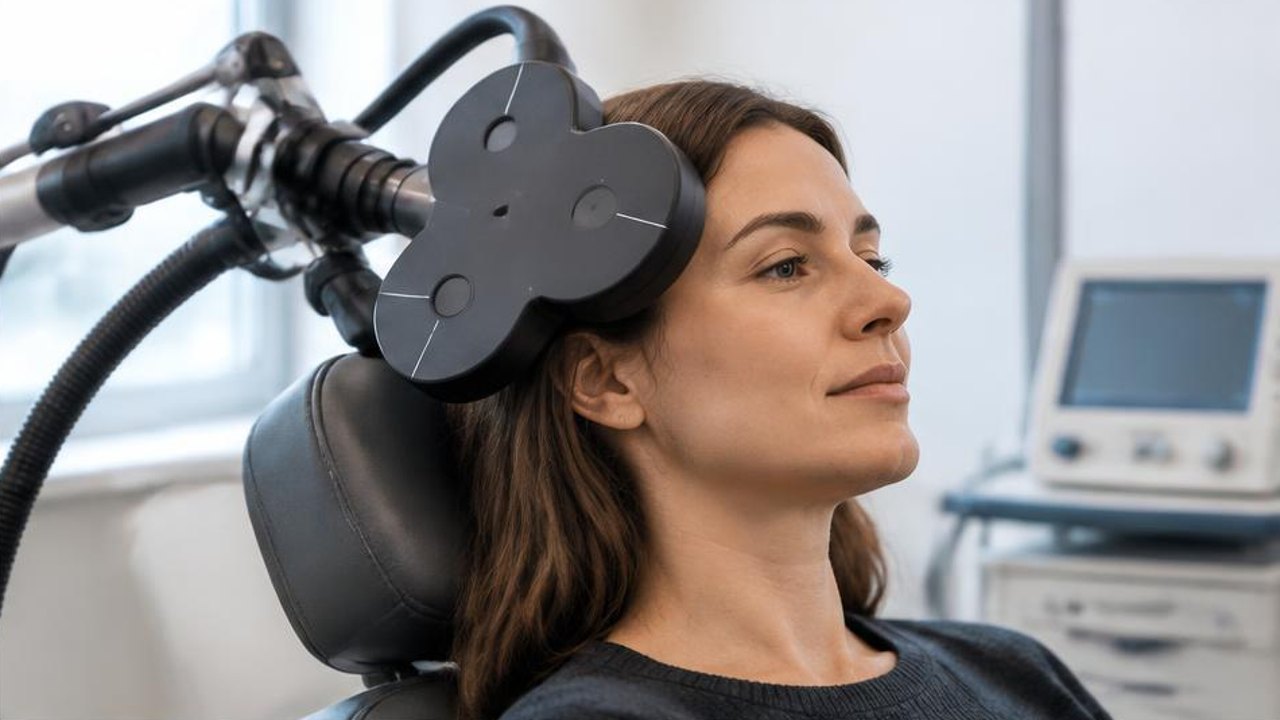
This article is for general information, not individual medical advice. Illustration is AI-generated and does not depict actual study participants.
Frequently Asked Questions
- Improvement alone does not establish cause?
- Depression symptoms can change over time. Study participation brings expectation, assessments and clinical attention. A sham condition aims to reproduce relevant procedural features without the intended active intervention. Random assignment makes a between-group comparison more informative than simply observing symptoms before and after treatment.
- What is the main evidence limitation?
- Physical procedures make convincingly similar active and sham experiences difficult. Participants may infer assignment, influencing expectations and symptom reports. Readers should check comparison design, who was blinded and whether credibility was assessed. Double-blind is a helpful label, not a substitute for method details. These challenges do not make controlled research meaningless.
- What should readers take away?
- The 2020 open-label registry describes outcomes in routine practice but cannot isolate a stimulation-specific effect in the same way. Both controlled efficacy research and practical care data are useful. Improvement under sham does not mean symptoms were imaginary. Multiple influences can produce genuine change. When interpreting a success claim, identify which question the design actually answers rather than ranking every study solely by participant count.
Written by
TMS News Editorial Team
The TMS News editorial team covers transcranial magnetic stimulation research, treatment access, and patient education, drawing on peer-reviewed studies and leading clinical centers.
 PreviousMeasuring TMS Progress: Why Response and Remission Are Different
 NextMotor Threshold in TMS: A Calibration Measure, Not a Depression Score