Motor Threshold in TMS: A Calibration Measure, Not a Depression Score
TMS evidence is most useful when the question, measurement and study population are clear. Here is a closer look at TMS motor threshold and the limits that matter when translating research into a clinical conversation.
What clinicians are measuring
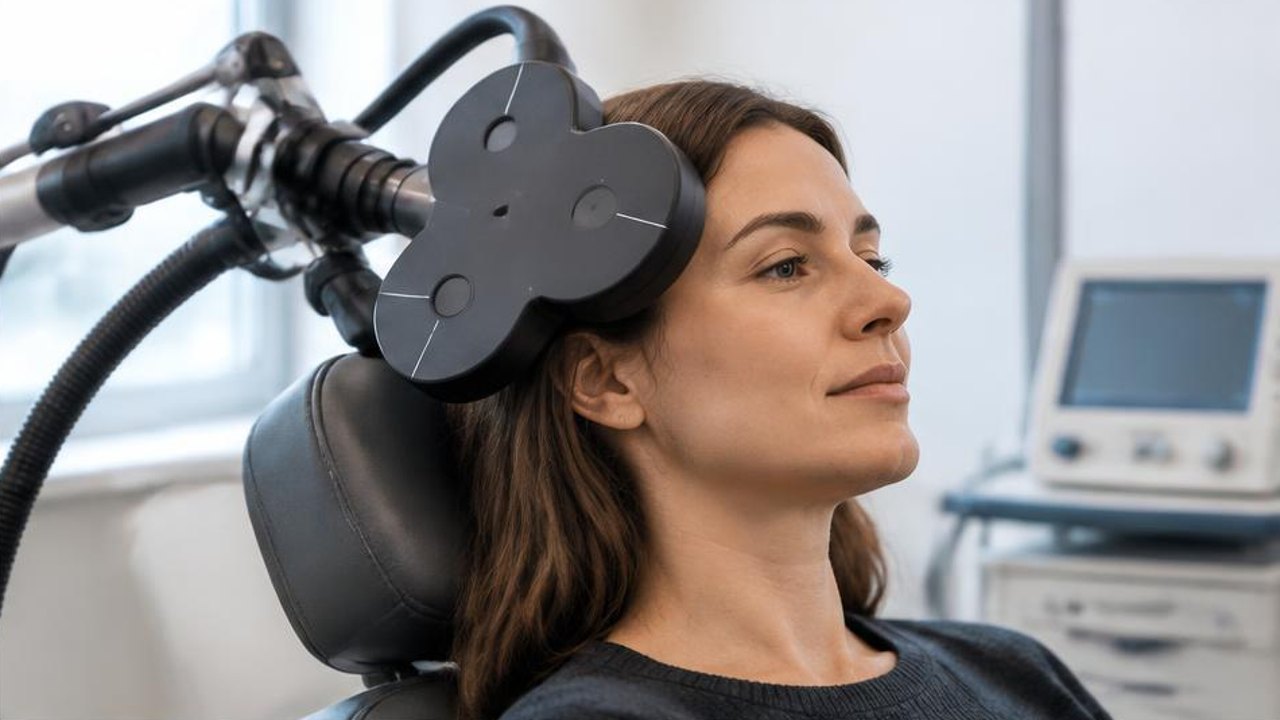
Motor threshold identifies the stimulation level needed to produce a defined motor response under specified conditions. Magnetic stimulation over an appropriate motor-cortex region can produce a corresponding muscle response. Depending on the method, clinicians assess visible movement or record muscle electrical activity. This is a physiological calibration procedure, not a reading of the whole brain.
Calibration and targeting have different jobs
The 2018 clinical rTMS consensus recommendations describe threshold measurement as part of determining stimulation intensity. Referencing an individual threshold accounts for differences in stimulator output needed for a motor response. The calibration region and therapeutic target serve different purposes. Measuring motor cortex does not mean depression treatment targets that same location.
What a higher number cannot tell you
A higher threshold does not by itself mean more severe depression, greater treatment resistance or poorer likely benefit. A lower one does not promise faster improvement. Equipment, measurement methods and physiological circumstances affect interpretation. Expert recommendations discuss reassessment when relevant changes occur, but guidance is not a trial proving the measurement predicts an individual outcome.
Useful questions for your clinician
Ask what the measurement is used for, how it is documented and which circumstances prompt another assessment. Comparing raw settings with another patient is not a reliable comparison of care. Device output needs equipment and protocol context. All adjustments require a qualified treating professional; this explanation is not a procedure for operating equipment or deciding an intensity independently.
This article is informational, not an individualized treatment recommendation. A qualified clinician can interpret the evidence alongside your diagnosis, history and existing care. Do not alter prescribed treatment based on a study summary.
Sources
This article is for general information, not individual medical advice. Illustration is AI-generated and does not depict actual study participants.
Frequently Asked Questions
- What clinicians are measuring?
- Motor threshold identifies the stimulation level needed to produce a defined motor response under specified conditions. Magnetic stimulation over an appropriate motor-cortex region can produce a corresponding muscle response. Depending on the method, clinicians assess visible movement or record muscle electrical activity. This is a physiological calibration procedure, not a reading of the whole brain.
- What is the main evidence limitation?
- A higher threshold does not by itself mean more severe depression, greater treatment resistance or poorer likely benefit. A lower one does not promise faster improvement. Equipment, measurement methods and physiological circumstances affect interpretation. Expert recommendations discuss reassessment when relevant changes occur, but guidance is not a trial proving the measurement predicts an individual outcome.
- What should readers take away?
- Ask what the measurement is used for, how it is documented and which circumstances prompt another assessment. Comparing raw settings with another patient is not a reliable comparison of care. Device output needs equipment and protocol context. All adjustments require a qualified treating professional; this explanation is not a procedure for operating equipment or deciding an intensity independently.
Written by
TMS News Editorial Team
The TMS News editorial team covers transcranial magnetic stimulation research, treatment access, and patient education, drawing on peer-reviewed studies and leading clinical centers.
 PreviousMeasuring TMS Progress: Why Response and Remission Are Different
 NextWhat Treatment-Resistant Depression Means in TMS Research