
After TMS Ends: Understanding What Durability Studies Actually Measure
TMS evidence is most useful when the question, measurement and study population are clear. Here is a closer look at TMS durability and the limits that matter when translating research into a clinical conversation.
A follow-up is not an expiration date
People understandably ask how long improvement lasts. Long-term research usually follows patients while clinical care continues, rather than measuring an isolated course without support. A 2014 observational study followed 257 acute-treatment completers from 42 practices who consented to 52-week observation, with assessments at three, six, nine and twelve months.
Sustained improvement can involve continuing care
The study reported sustained group-level improvement relative to the pretreatment baseline. Naturalistic follow-up allows care to unfold rather than imposing one identical plan. Medication or additional interventions can contribute. A favorable twelve-month score does not show that the original course maintained the result unaided. Additional care also does not erase the value of initial improvement.
Who is counted changes interpretation
Completers consenting to follow-up do not represent everyone starting treatment. Missing assessments and differences between initial responders and the original population matter. Without randomized follow-up strategies, the study cannot establish which continuing-care approach caused better durability. A stable average can conceal people improving further and others experiencing symptom return.
Questions behind a one-year headline
Ask who was followed, what other care they received and how sustained improvement was defined. The 2018 consensus discusses ongoing management but does not prove a universally optimal schedule. A percentage describes a group, not an individual guarantee. Discuss how symptom changes and everyday functioning would be reviewed rather than assuming benefit either ends on a fixed date or needs no further monitoring.
This article is informational, not an individualized treatment recommendation. A qualified clinician can interpret the evidence alongside your diagnosis, history and existing care. Do not alter prescribed treatment based on a study summary.
Sources
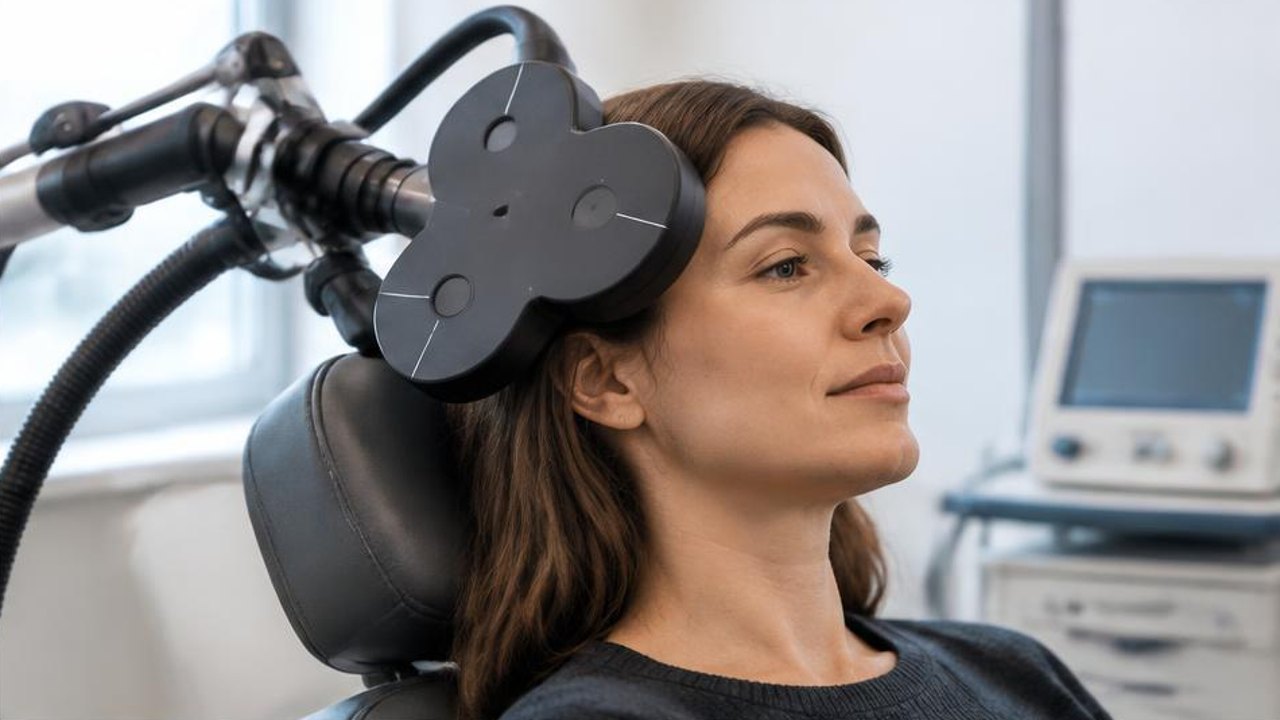
This article is for general information, not individual medical advice. Illustration is AI-generated and does not depict actual study participants.
Frequently Asked Questions
- A follow-up is not an expiration date?
- People understandably ask how long improvement lasts. Long-term research usually follows patients while clinical care continues, rather than measuring an isolated course without support. A 2014 observational study followed 257 acute-treatment completers from 42 practices who consented to 52-week observation, with assessments at three, six, nine and twelve months.
- What is the main evidence limitation?
- Completers consenting to follow-up do not represent everyone starting treatment. Missing assessments and differences between initial responders and the original population matter. Without randomized follow-up strategies, the study cannot establish which continuing-care approach caused better durability. A stable average can conceal people improving further and others experiencing symptom return.
- What should readers take away?
- Ask who was followed, what other care they received and how sustained improvement was defined. The 2018 consensus discusses ongoing management but does not prove a universally optimal schedule. A percentage describes a group, not an individual guarantee. Discuss how symptom changes and everyday functioning would be reviewed rather than assuming benefit either ends on a fixed date or needs no further monitoring.
Written by
TMS News Editorial Team
The TMS News editorial team covers transcranial magnetic stimulation research, treatment access, and patient education, drawing on peer-reviewed studies and leading clinical centers.
 PreviousMeasuring TMS Progress: Why Response and Remission Are Different
 NextMotor Threshold in TMS: A Calibration Measure, Not a Depression Score