
TMS vs. Antidepressants: How the Options Fit Together
Comparisons between transcranial magnetic stimulation and antidepressants often sound like a contest with one clear winner. Real depression care is less tidy. TMS may be considered after other treatments have not helped enough, and it can also be part of a plan that includes medication and psychotherapy. The National Institute of Mental Health describes brain stimulation as one component of mental health treatment, not a universal replacement for other care.
They are different kinds of treatment
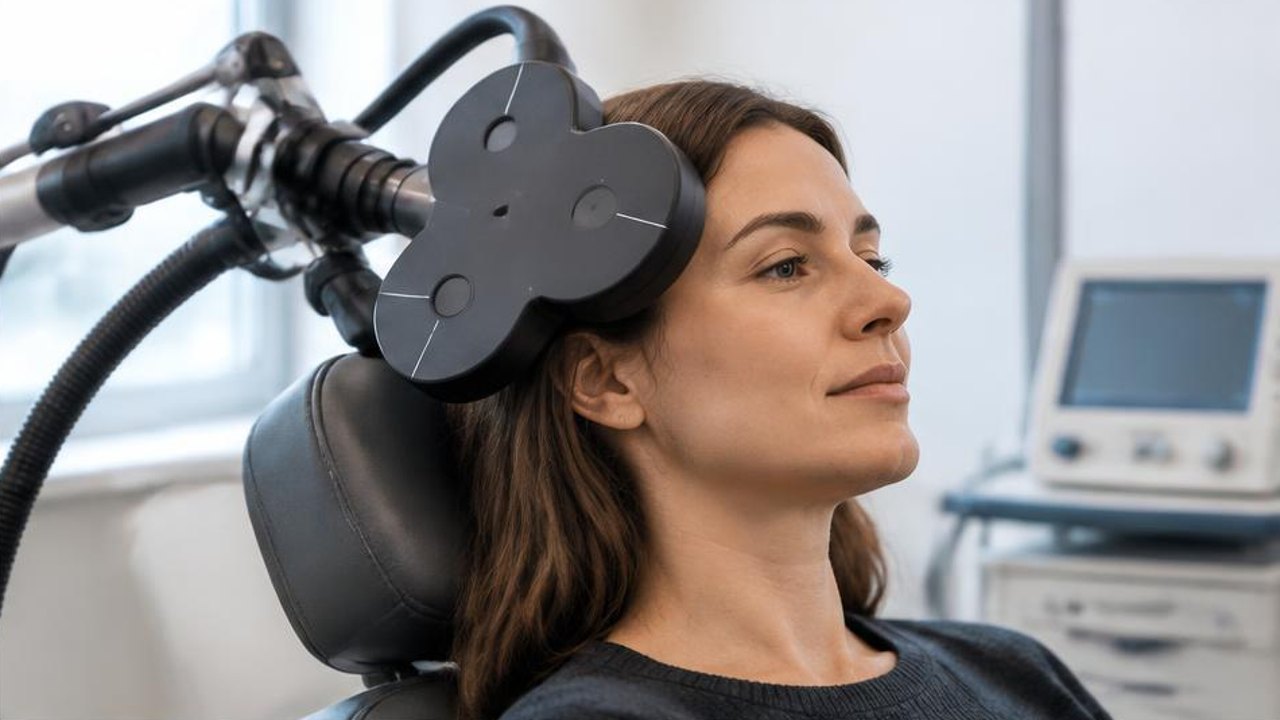
Antidepressants are medicines. TMS is a procedure that uses a magnetic field to induce electrical activity in targeted brain tissue. For depression treatment, a coil is placed near the scalp and delivers repeated pulses. It does not require an incision or routine general anesthesia, according to the Mayo Clinic overview.
That difference does not mean one treatment is more legitimate or more natural. Both are medical interventions with benefits, limitations, and safety considerations. A useful discussion focuses on how each option fits your history rather than whether medication or technology sounds more appealing in the abstract.
Previous treatment matters
Mayo Clinic describes TMS for depression as generally used when other treatments have not been effective. A consultation therefore often includes a detailed review of previous medications: which ones you took, for how long, at what dose, and what happened. Psychotherapy experience and the accuracy of the diagnosis also matter.
Bring records when possible. There is an important difference between a treatment that did not help despite an adequate trial and one that you could not continue because of side effects. Explaining that distinction helps your clinician understand the problem you want the next treatment to solve.
Compare the burdens, not just the mechanisms
TMS commonly requires repeated clinic attendance. Medication management has a different practical structure. Instead of assuming which is easier, compare your actual options: the proposed appointment schedule, follow-up requirements, transportation needs, and what you would need to do at home.
Ask the prescriber to discuss the side effects of the specific medicine under consideration, not antidepressants as one uniform group. For TMS, common concerns include scalp discomfort and headache; a seizure is a rare but serious risk. The NIMH safety review emphasizes screening, accurate dosing, hearing protection, and trained staff.
Combination treatment is a real option
TMS is not necessarily medication-free care. For example, participants in the 2025 MAINT-R maintenance trial continued venlafaxine while researchers compared weekly maintenance TMS with lithium. That study addressed a specific relapse-prevention question after successful acute TMS; it did not show that everyone should use that combination.
The broader lesson is simpler: when you hear that a TMS study produced improvement, check what else participants were receiving. Results from an add-on treatment cannot automatically tell you what would happen if every other treatment were removed.
Ask what success would look like
Before choosing a plan, agree on how improvement will be measured. Ask about symptom questionnaires and everyday goals such as returning to work, participating in family life, or managing basic routines. Also ask when the team will review progress and what would trigger a change in the plan.
A response is not the same as a guarantee of lasting recovery. Ask about follow-up, relapse prevention, and what happens if symptoms improve only partly. These questions belong in conversations about both medication and TMS, rather than being reserved for whichever option seems newer.
Five questions for shared decision-making
- What diagnosis and symptoms are we treating?
- Which previous treatments were adequate trials?
- What are the main risks and burdens of this specific option?
- Will medication or psychotherapy continue?
- How will we decide whether the plan is working?
Do not change treatment on your own
A TMS consultation is a chance to review your care, not a reason to abruptly alter it. Give the team a complete medication list and ask who will coordinate any changes. If different clinicians prescribe your medicines and oversee TMS, clarify how they will communicate.
The best comparison ends with an individualized plan, not a declaration that everyone should choose the same treatment.
Sources
- NIMH: Brain stimulation therapies
- Mayo Clinic: Transcranial magnetic stimulation
- NIMH: TMS safety and risk
- JAMA Network Open: MAINT-R randomized clinical trial
Clinical note: Talk with a qualified clinician before choosing TMS or changing any prescribed depression treatment.
Frequently Asked Questions
- Is TMS always better than antidepressants?
- No. The best option depends on diagnosis, previous treatment response, side effects, safety considerations, access, and personal preferences.
- Can you take antidepressants during TMS?
- TMS can be used alongside medication. Your treating clinician should decide which medicines to continue and monitor any changes during treatment.
- Should I stop medication before a TMS consultation?
- Do not stop or change prescribed medication on your own. Bring your medication history to the consultation and ask for an individualized plan.
Written by
TMS News Editorial Team
The TMS News editorial team covers transcranial magnetic stimulation research, treatment access, and patient education, drawing on peer-reviewed studies and leading clinical centers.
 PreviousMeasuring TMS Progress: Why Response and Remission Are Different
 NextMotor Threshold in TMS: A Calibration Measure, Not a Depression Score