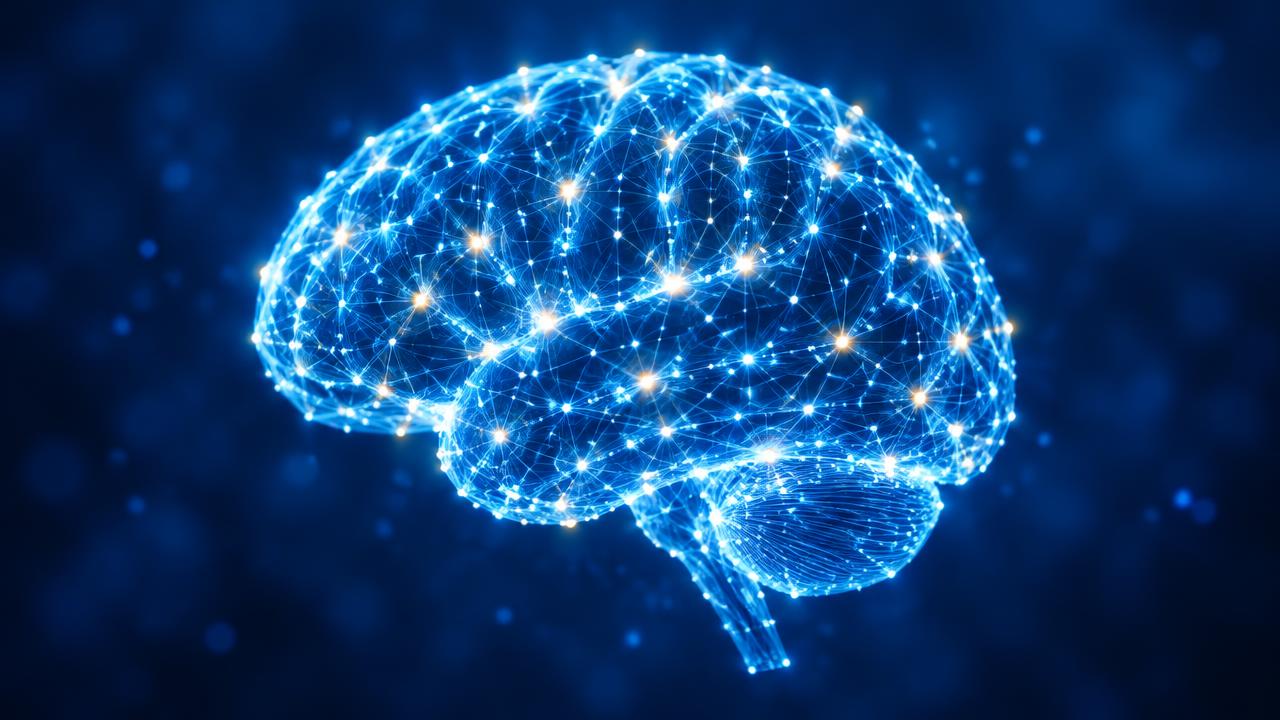
Early Study: Magnetic Stimulation May Ease Cognitive Symptoms of Schizophrenia
The most disabling aspects of schizophrenia are often not the hallucinations or delusions that antipsychotic medications target, but the cognitive problems — slowed processing speed, difficulty focusing, and trouble with everyday thinking — for which there are few effective treatments. New research from Vanderbilt University suggests noninvasive brain stimulation may offer a foothold.
What the researchers did
The Vanderbilt team targeted the default mode network (DMN), a brain system that is abnormally overconnected in schizophrenia and linked to processing-speed deficits. Using transcranial magnetic stimulation to suppress DMN overactivity, the researchers tested whether normalizing this network could improve cognitive performance. The early-phase study compared single TMS sessions across small groups of participants with schizophrenia.
Why this matters
Cognitive symptoms strongly predict whether someone with schizophrenia can work, study, and live independently — and current medications do little for them. A noninvasive tool that even modestly improves thinking speed would address one of the condition's largest unmet needs.
Keep it in perspective
This was a small, early study — one group included just 10 participants — and the results need replication in larger trials before anyone can draw firm conclusions. TMS is not an approved treatment for schizophrenia. But the work adds to growing interest in brain stimulation for conditions beyond depression, and larger studies are likely to follow.
Sources
Written by
TMS News Editorial Team
The TMS News editorial team covers transcranial magnetic stimulation research, treatment access, and patient education, drawing on peer-reviewed studies and leading clinical centers.
 PreviousMeasuring TMS Progress: Why Response and Remission Are Different
 NextMotor Threshold in TMS: A Calibration Measure, Not a Depression Score