
Ontario Invests $5.4M to Expand Public Access to rTMS
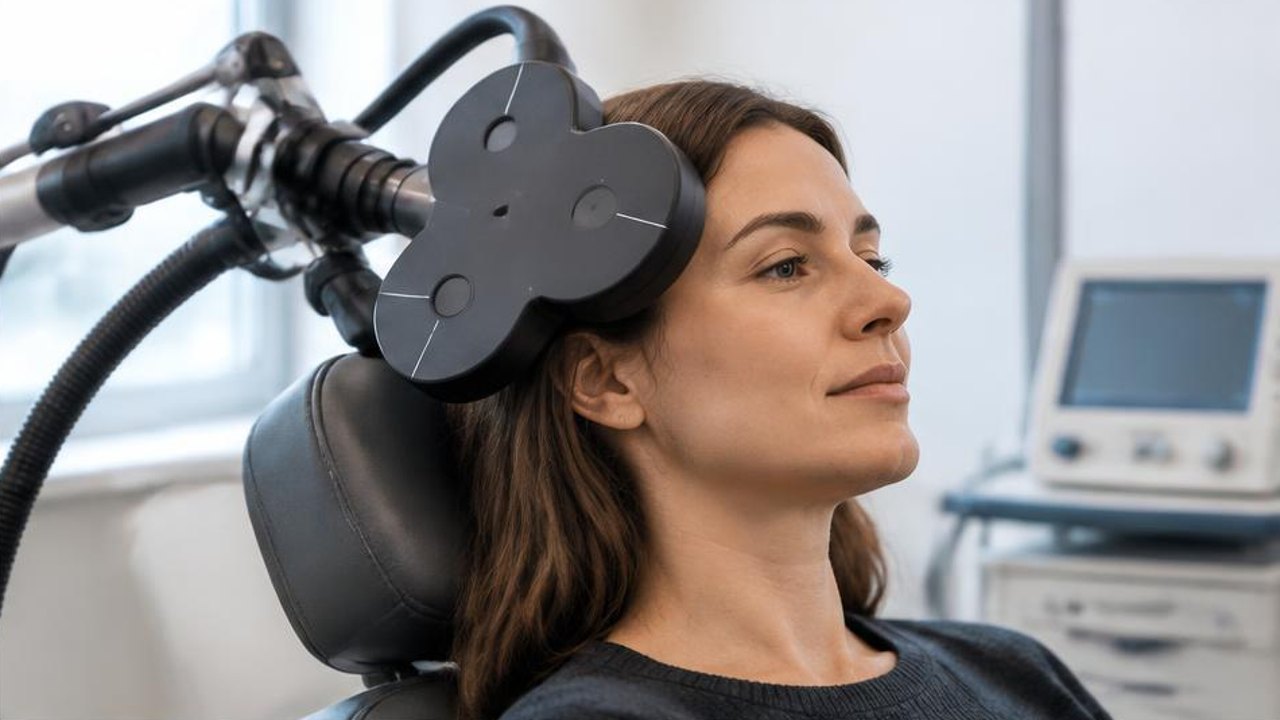
Access — not evidence — is often the biggest obstacle between patients and TMS. Ontario is taking a notable step to change that: a $5.4 million provincial investment is expanding publicly funded repetitive TMS (rTMS) to 18 devices across 15 sites, with the capacity to treat up to 2,250 people.
What the expansion includes
The Centre for Addiction and Mental Health (CAMH) in Toronto, which helped advance the expansion, receives approximately $1.3 million of the funding. The program moves rTMS from a handful of specialized centers toward a province-wide service available through the public health system — meaning eligible patients can receive treatment without paying out of pocket.
Why publicly funded access matters
In most of the world, including much of the United States, TMS access depends on insurance approval or the ability to pay. Courses can cost thousands of dollars, and coverage rules vary widely. Depression also disproportionately affects people with lower incomes — the very people least able to pay. Public funding models like Ontario's test whether brain stimulation can work as ordinary health care rather than a niche service.
The bigger picture
The Ontario expansion reflects a broader shift: as evidence for TMS has solidified, health systems are increasingly treating it as a standard option for treatment-resistant depression rather than an experimental one. Researchers and advocates will be watching Ontario's results — wait times, outcomes, and cost per patient — as a template for other regions.
Sources
Written by
TMS News Editorial Team
The TMS News editorial team covers transcranial magnetic stimulation research, treatment access, and patient education, drawing on peer-reviewed studies and leading clinical centers.
 PreviousMeasuring TMS Progress: Why Response and Remission Are Different
 NextMotor Threshold in TMS: A Calibration Measure, Not a Depression Score