Figure-Eight or H1 Coil? Why TMS Comparisons Need More Than a Device Name
TMS evidence is most useful when the question, measurement and study population are clear. Here is a closer look at figure-eight vs H1 coil and the limits that matter when translating research into a clinical conversation.
The coil is one part of treatment
Which coil is better sounds straightforward, but hardware is only part of a protocol. A 2019 randomized single-blind trial by Filipcic compared H1 and figure-eight protocols in 228 patients with major depressive disorder. Direct comparison is valuable because groups share one framework, though the study did not change hardware under otherwise identical conditions.
A separate review gave mixed signals
A 2019 systematic review by Gellersen and Kedzior included 19 studies at matched frequencies and assessed outcomes after ten sessions. H1 studies had larger symptom-severity reduction, alongside a trend toward higher remission in figure-eight studies. The authors cautioned that limited evidence, lack of placebo control and uncertain clinical relevance constrained the comparison.
Why a ranking can oversimplify
Indirect comparisons reflect differences in enrolled populations, concurrent care, masking and protocol. Matching frequency does not remove every difference. Mean score reduction and the proportion crossing a remission threshold answer different questions. One outcome may favor a group without another doing so. Ten-session results also cannot automatically describe a longer course or durability.
Ask about meaningful comparisons
Find out whether evidence is direct or indirect, what exact protocol was studied and whether an advantage was important to patients rather than just statistically detectable. These papers do not definitively rank every current system. A familiar brand or device shape is not an individual prognosis. Review evidence with a clinician before considering any change; hardware alone cannot explain all differences in treatment outcomes.
This article is informational, not an individualized treatment recommendation. A qualified clinician can interpret the evidence alongside your diagnosis, history and existing care. Do not alter prescribed treatment based on a study summary.
Sources
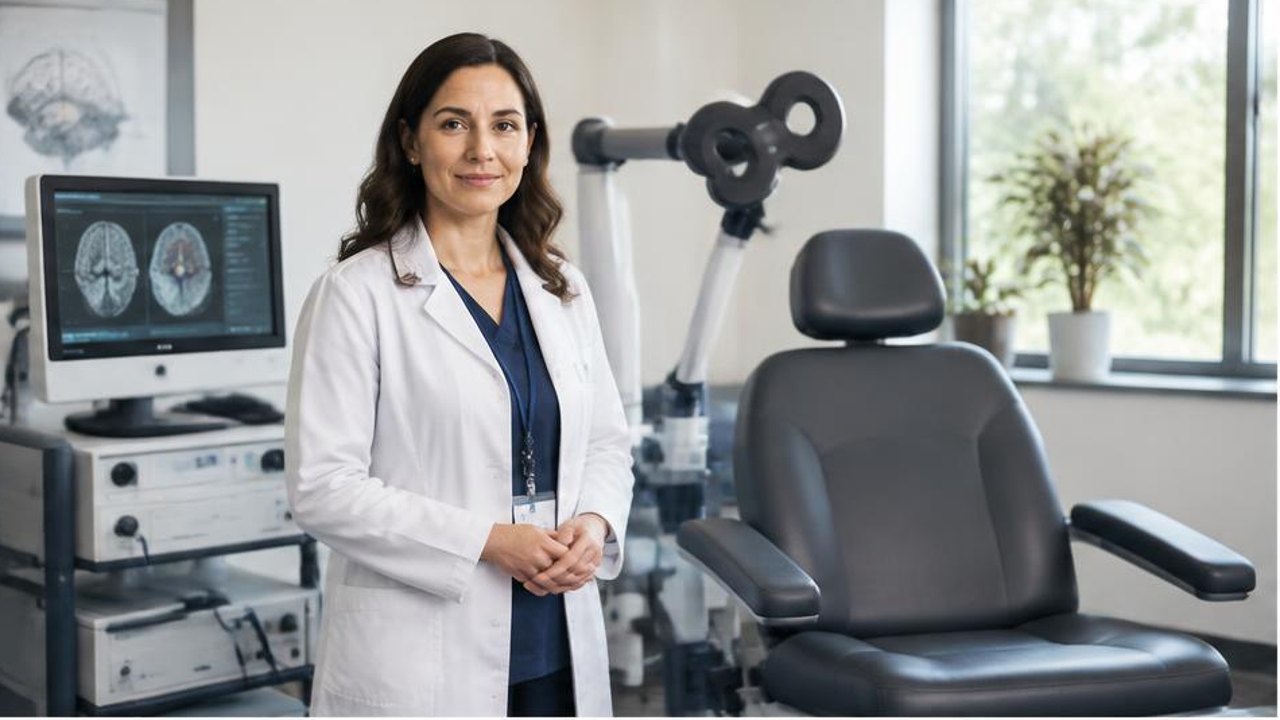
This article is for general information, not individual medical advice. Illustration is AI-generated and does not depict actual study participants.
Frequently Asked Questions
- The coil is one part of treatment?
- Which coil is better sounds straightforward, but hardware is only part of a protocol. A 2019 randomized single-blind trial by Filipcic compared H1 and figure-eight protocols in 228 patients with major depressive disorder. Direct comparison is valuable because groups share one framework, though the study did not change hardware under otherwise identical conditions.
- What is the main evidence limitation?
- Indirect comparisons reflect differences in enrolled populations, concurrent care, masking and protocol. Matching frequency does not remove every difference. Mean score reduction and the proportion crossing a remission threshold answer different questions. One outcome may favor a group without another doing so. Ten-session results also cannot automatically describe a longer course or durability.
- What should readers take away?
- Find out whether evidence is direct or indirect, what exact protocol was studied and whether an advantage was important to patients rather than just statistically detectable. These papers do not definitively rank every current system. A familiar brand or device shape is not an individual prognosis. Review evidence with a clinician before considering any change; hardware alone cannot explain all differences in treatment outcomes.
Written by
TMS News Editorial Team
The TMS News editorial team covers transcranial magnetic stimulation research, treatment access, and patient education, drawing on peer-reviewed studies and leading clinical centers.
 PreviousMeasuring TMS Progress: Why Response and Remission Are Different
 NextMotor Threshold in TMS: A Calibration Measure, Not a Depression Score